Why the Power of Sensory Marketing in Advertising Gives Brands a Real Edge
The power of sensory marketing in advertising lies in its ability to move consumers emotionally — not just visually — by engaging multiple senses to create experiences that are harder to forget and easier to act on.
Here's a quick breakdown of what that means in practice:
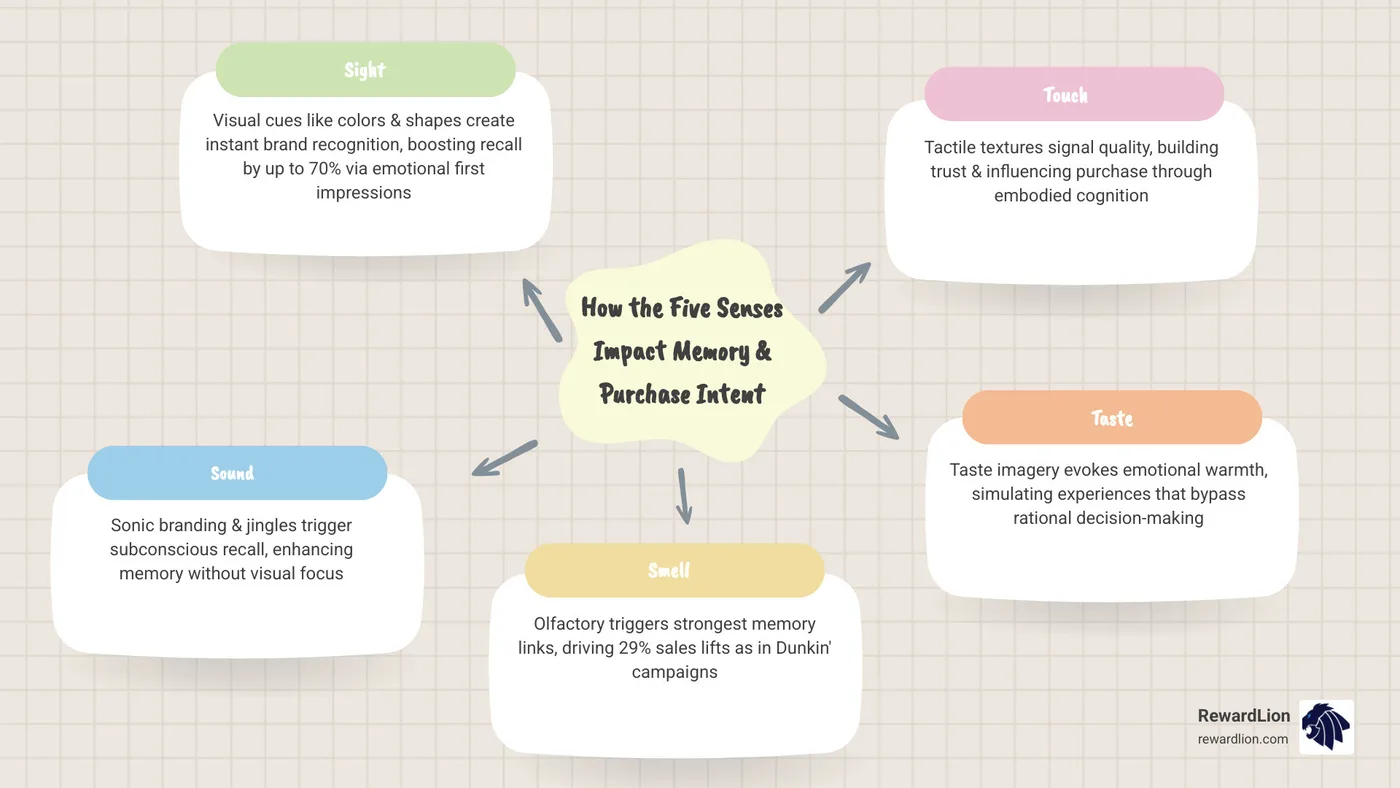
Sight - Colors, logos, and visual storytelling shape first impressions in milliseconds
Sound - Jingles and sonic assets trigger brand recall without requiring visual attention
Smell - The strongest sense tied to memory and emotion; can drive foot traffic and sales
Touch - Tactile packaging and textures signal quality and build trust
Taste - Even without consumption, taste metaphors and imagery create emotional warmth
Key stats to know:
Stat Impact Media engaging 3+ senses Boosts brand impact and engagement by over 70% Sensory marketing in retail Can increase in-store sales by up to 10% Sensory branding studies Boost brand recall by up to 70% Dunkin' Donuts aroma + jingle campaign Sales near bus stops grew 29%
Most advertising still leans almost entirely on visuals. But humans experience the world through all five senses — and brands that tap into that reality connect on a much deeper level.
For two decades, marketers across industries have been quietly building expertise in sensory cues — things as specific as the sting of a mouthwash sip or the scritch-scratch of a marker. These aren't accidents. They're deliberate design choices that shape how people feel about a brand, often before conscious thought kicks in.
That subconscious influence is exactly where the competitive edge lives.
I'm Mike Ibrahim, Founder and CEO of RewardLion and Marketing Director for several companies, with over a decade of hands-on experience developing marketing strategies that tap into the full power of sensory marketing in advertising to drive measurable growth. In this guide, I'll walk you through the psychology, the practical steps, and the real-world tactics you can start using today.
The Psychological Science Behind the Power of Sensory Marketing in Advertising
To understand why this works, we have to look at the human brain. Most traditional marketing tries to convince the "rational" brain—the part that compares prices and features. But the power of sensory marketing in advertising bypasses that logical gatekeeper and speaks directly to the emotional brain.
This is rooted in a concept called embodied cognition. This theory suggests that our bodily sensations—the things we feel, smell, and hear—subconsciously affect our decision-making processes. When a brand triggers a sensory response, it creates a "mental simulation." For example, seeing a high-resolution video of a cold beverage with condensation dripping down the glass can actually make a viewer feel thirsty. Their brain is simulating the experience of holding that cold can.
According to The Science of Sensory Marketing, we are entering an era where sensory cues are becoming the primary differentiator in cluttered markets. When consumers are faced with "choice fatigue"—the exhaustion of having too many options—they stop comparing specs and start following their gut. Sensory marketing creates "emotional shortcuts" that lead them straight to your brand because it feels familiar, comfortable, or high-quality.
Research published in The Power of Sensory Marketing in Advertising highlights that multi-sensory stimulation doesn't just grab attention; it profoundly impacts ad recall. In fact, engaging more than one sense can boost brand recall by up to 70%. By weaving together different sensory threads, we aren't just selling a product; we are embedding the brand into the consumer's long-term memory.

Sight and Sound: Visualizing the Power of Sensory Marketing in Advertising
Sight is undeniably the most dominant sense in our current media landscape. Visuals create first impressions in a matter of milliseconds. In 2026, we are seeing brands use hyper-realistic CGI to create visual storytelling that feels almost tangible. Whether it's the sleek evolution of a tech logo or a vibrant Branding & Identity system, visual consistency across all touchpoints is what builds recognition and trust.
However, sight isn't just about being "pretty." It’s about accessibility and psychology. Using bright colors like red can create a sense of urgency, while pastels might evoke a calming effect. We also emphasize the importance of inclusive design—using alt text and image descriptions ensures that your visual brand reaches everyone, including those with visual impairments.
Then, there is the auditory element. Sound is a "passive" sense; it doesn’t require the consumer to stop what they are doing and look. This makes sonic assets incredibly powerful. Think about the "scritch-scratch" sound of a Sharpie pen or the iconic McDonald’s jingle. These sounds act as immediate brand triggers.
Music and sound effects can regulate a consumer's mood. A slow, melodic tempo might encourage shoppers to linger longer in a store, while a high-energy beat in a social media ad can drive excitement for a product launch. By developing a consistent audio identity—from app notifications to TV commercials—we help brands build a sense of familiarity that logic alone can’t replicate.
Smell, Touch, and Taste: Expanding the Power of Sensory Marketing in Advertising
While sight and sound are the "big two," the other three senses are the secret weapons of the most successful modern brands.
Smell (Olfactory Marketing): The sense of smell is the only one directly linked to the amygdala and hippocampus—the parts of the brain responsible for emotion and memory. This is why a specific scent can instantly transport you back to a childhood memory. Brands like Singapore Airlines use a signature scent (Stefan Floridian Waters) in their cabins, on hot towels, and even in the perfume worn by flight attendants to create a cohesive, luxury experience.
A classic example of this in action was Dunkin’ Donuts in South Korea. By installing atomizers on buses that released a coffee aroma whenever the brand's jingle played, they saw a 29% increase in sales at locations near bus stops. This is the power of sensory marketing in advertising at its most effective: triggering a physical craving through a subtle environmental cue.
Touch (Haptic Marketing): Touch is often overlooked in digital-heavy campaigns, but it is vital for signaling quality. The weight of a luxury watch, the "solid click" of a high-end car door, or the premium feel of an Apple unboxing experience all send a message of value. Even the "sting" from a swig of mouthwash is a tactile cue that tells the consumer the product is "working."
In our Creative Production work, we look at how to convey these tactile qualities through imagery and words. Using "sensory metaphors"—describing a fabric as "buttery soft" or showing the texture of a skincare cream—can evoke the sense of touch even through a screen.
Taste (Gustatory Marketing): Taste is the most direct form of sensory engagement. While it's easy for food and beverage brands to offer samples, other industries are getting creative. We see beauty brands using "taste metaphors" like "glazed donut" skincare or "salted caramel" lip treatments. These descriptions evoke emotional warmth and indulgence, making a non-edible product feel more desirable.
As explored in Multi-Sensory Marketing: Ads You Can See, Hear, Smell, and Feel, the goal is to layer these sensations. When you combine the visual of a product, the sound of its use, and a description of its scent or taste, you create an immersive world that consumers want to inhabit.
Step-by-Step: How to Implement Sensory Strategies in Your Campaigns
Integrating sensory elements into your advertising doesn't have to be overwhelming. At RewardLion, we manage this through our Omnichannel Marketing Systems, ensuring that every sense we target reinforces your core brand identity.
Here is how you can start:
1. Conduct a Sensory Audit Look at your current brand assets. What does your brand "look" like? What does it "sound" like? Does it have a "feel" or a "scent"? Identify which senses align most naturally with your product. A tech company might focus on sight (sleek UI) and sound (notification pings), while a boutique hotel would lean heavily into smell and touch.
2. Define Your Signature Assets Once you know which senses to target, create specific assets. This might mean:
Developing a Logo design that uses color psychology.
Creating a unique jingle or background "vibe" playlist.
Choosing specific paper stocks for your physical mailers or packaging textures.
3. Ensure Consistency Across Touchpoints The power of sensory marketing disappears if the experience is fragmented. If your retail store smells like lavender but your unboxing experience smells like industrial plastic, the consumer gets confused. Your sensory cues must be consistent across your Website Development and physical locations.
4. Leverage Multi-Sensory Integration Don't just stick to one sense. Use the "layering" technique. If you are running a Paid Advertising campaign on Meta or TikTok, combine high-quality visuals with a specific audio track and copy that evokes smell or touch.

Comparison: Single-Sense vs. Multi-Sensory Campaigns
Feature Single-Sense (Visual Only) Multi-Sensory (Sight, Sound, Touch) Brand Recall Standard Up to 70% Higher Emotional Bond Functional Deeply Psychological Engagement Passive Immersive Sales Impact Baseline Up to 10% Increase
5. Use Neuromarketing Tools In 2026, we have access to tools that can measure how consumers react to different sensory inputs. We can use AI-driven analytics within the RewardLion OS to see which creative assets drive the most engagement, helping us refine your sensory strategy in real-time.
Future Trends: Sensory Marketing in the Age of AI and VR
As we move through April 2026, the horizon of sensory marketing is expanding rapidly thanks to emerging technologies. We are no longer limited to what can be printed on paper or shown on a 2D screen.
AR/VR and Haptic Feedback: Virtual and Augmented Reality are transforming the "try before you buy" experience. In VR showrooms, consumers can walk through a virtual space, seeing the products in 3D and hearing localized sound. The next frontier is haptic gloves and suits that allow users to "feel" the texture of a sofa or the weight of a product in the metaverse.
Digital Scent Technology and Taste Simulators: While it sounds like science fiction, digital scent technology is becoming more refined. There are now devices that can be attached to smartphones or computers to release specific aromas during a video or advertisement. Similarly, researchers are developing "taste simulators" that use electrical impulses to mimic different flavors. While these are still in early adoption, they represent the future of truly immersive branding.
AI Personalization: AI is now being used to personalize sensory experiences. For example, a retail environment could use AI to detect the mood of a customer and adjust the lighting (sight), music (sound), and even the scent of the room to create a more welcoming atmosphere. This level of AI Marketing Systems integration is exactly what we specialize in at RewardLion.
According to Sensory Marketing Explained: What It Is and Why It Works, these technologies are helping brands bridge the gap between the digital and physical worlds. By making the digital experience feel more "real" through sensory triggers, brands can overcome the limitations of online shopping and build trust faster.
Frequently Asked Questions about Sensory Marketing
What is sensory marketing and why is it effective?
Sensory marketing is a strategy that appeals to one or more of the five human senses to create an emotional connection with consumers. It is effective because sensory input is processed by the brain faster than rational thought. It bypasses choice fatigue and creates "emotional shortcuts," making a brand feel more familiar and trustworthy.
How can small businesses use sensory marketing on a budget?
You don't need a multi-million dollar budget to use sensory marketing. Small businesses can:
Curate a specific Spotify playlist that matches their brand "vibe."
Use a signature scent (like a specific candle or diffuser) in their physical office or shop.
Invest in slightly higher-quality business cards or packaging with a unique texture.
Use evocative language in their Social Media Management to trigger "mental simulations" of taste or touch.
How do you measure the ROI of a sensory advertising campaign?
Measuring ROI involves tracking specific KPIs before and after implementing sensory elements. This includes:
Sales Lift: Monitoring increases in purchase volume (like the 10% in-store lift noted in research).
Brand Recall: Using surveys to see if customers remember your brand better than competitors.
Dwell Time: Measuring how much longer customers stay on your website or in your store when sensory elements are present.
Engagement Rates: Tracking clicks and shares on ads that use multi-sensory storytelling.
Conclusion
The power of sensory marketing in advertising is no longer a "nice-to-have"—it is a necessity for any brand looking to stand out in the hyper-competitive market of 2026. By moving beyond just "looking good" and starting to "feel right," "sound right," and even "smell right," you create a brand experience that is psychologically embedded in your customers' lives.
At RewardLion, we don't just give you the tools; we provide the entire growth system. Our AI-powered OS unifies your marketing, sales, and creative production, while our dedicated CAPSS team—your fractional in-house marketing agency—manages every sensory detail for you. From SEO & LLMs to high-end Commercial Production, we ensure your brand is seen, heard, and felt everywhere your customers are.
Ready to give your ads the ultimate competitive edge?